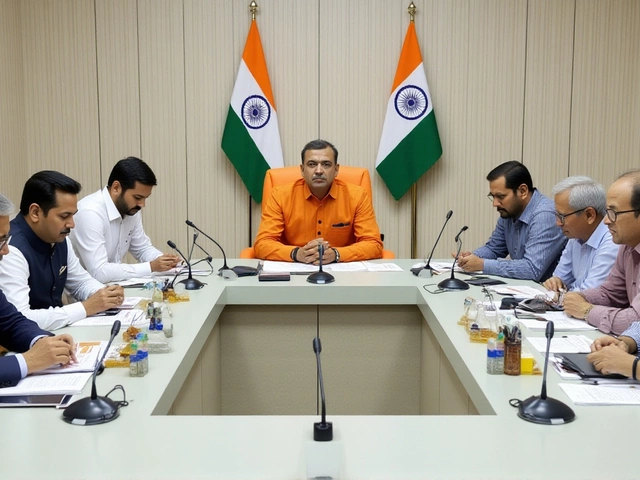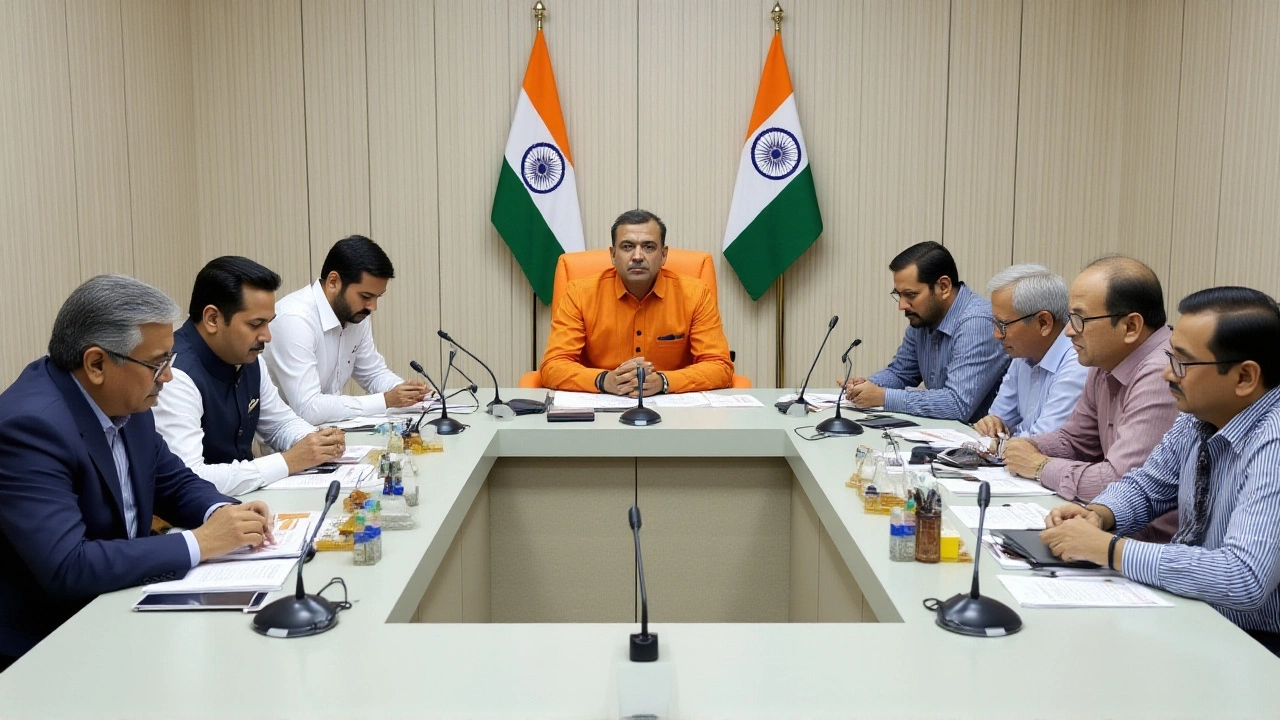
When Yogi Adityanath, Chief Minister of Uttar Pradesh, walked into the energy review meeting on May 24, 2026, the mood was anything but casual. The state is baking in a severe heatwave, and residents are furious about erratic power supply. Adityanath didn't mince words: no more excuses for blackouts, whether in rural villages or urban centers.
The directive was clear—electricity must flow uninterrupted. But here’s the twist: just as the government promised stability, storms and hailstorms were tearing through parts of North India, knocking out lines and leaving cities in the dark. It’s a delicate balancing act between maintaining grid stability during peak summer demand and restoring power quickly after natural disasters.
Zero Tolerance for Power Cuts
Adityanath made it abundantly clear that providing reliable electricity is the government's "first priority." He instructed all relevant departmental officers to treat any disruption as a failure of duty. The Chief Minister emphasized that production units—power plants across the state—must operate at full capacity. If demand spikes, supply must match it instantly.
"We will not tolerate any negligence," he warned officials. "Responsibility will be fixed." This isn't just rhetoric; it’s a shift toward accountability. Previously, vague reasons like "technical issues" often explained outages. Now, every feeder line will be monitored individually. If a specific area suffers unnecessary cuts, the officer in charge faces consequences.
Strengthening the Grid Against Storms
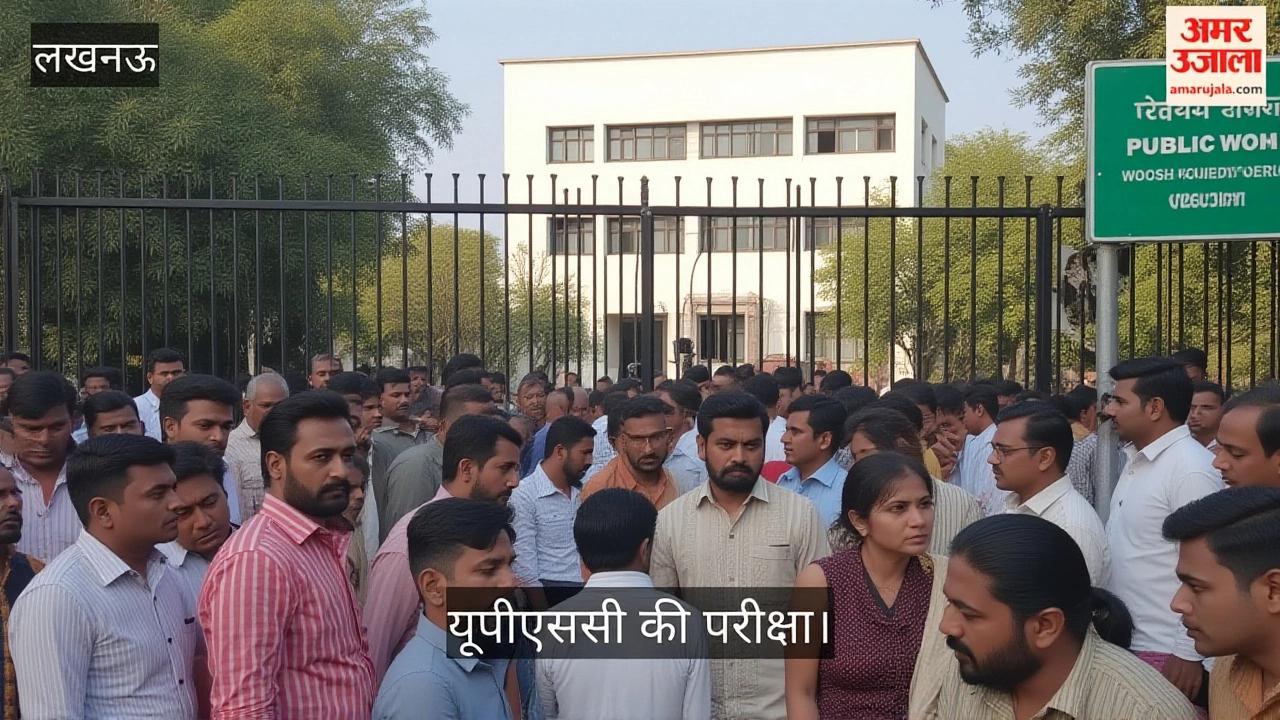
The timing of these orders couldn’t have been worse—or better—for testing the system’s resilience. Reports from K News India highlighted chaos in several North Indian cities due to violent storms. In one incident near Kulwant Hospital, a tree fell during high winds, causing a major accident and widespread power loss.
Residents described scenes of devastation: hailstones pummeling roofs, trees uprooted, and entire neighborhoods plunged into darkness. "There is no electricity anywhere in the city," one resident told reporters. This is where Adityanath’s new "Fast Response System" comes into play. He ordered that technical teams be dispatched immediately to repair damage caused by wind, rain, or fallen trees. The goal? Restore power in the minimum possible time, rather than letting citizens wait days for repairs.
Data-Driven Accountability
During the meeting, A K Sharma, Energy Minister of Uttar Pradesh, presented detailed statistics to show the scale of the network. The state covers 75 districts, with approximately 58,000 Gram Panchayats (village councils) connected to the grid. There are 300,000 electrified villages and hamlets, plus 762 urban local bodies—including 17 municipal corporations, 200 municipal boards, and 545 nagar panchayats.
Sharma claimed that power supply in these areas is currently "smooth and continuous." However, the ground reality tells a different story for many. The introduction of feeder-wise monitoring aims to bridge this gap. By tracking data at each feeder level, authorities can pinpoint exactly where and why cuts happen. This granular approach prevents blanket shutdowns and ensures targeted maintenance.
Billing, Collection, and Consumer Trust
It’s not just about keeping the lights on; it’s also about money. Adityanath directed improvements in billing accuracy for smart meter users. Errors in bills erode trust and cause financial stress for households. He also stressed the need to enhance collection efficiency. When consumers pay correctly and on time, the revenue cycle strengthens, allowing for better infrastructure investment.
To ensure these directives stick, Adityanath asked ministers to personally inspect helpline call centers. Why? Because if complaints aren’t logged properly or resolved quickly, the whole system fails. The helpline should be an effective dialogue channel, not a bureaucratic formality. Citizens expect their grievances to be heard and acted upon promptly.

Agricultural Impact and Future Risks
The storms aren’t just affecting power lines; they’re threatening livelihoods. Farmers in Uttar Pradesh face significant risks to wheat and other crops due to erratic weather patterns. With reports of crop damage rising, the government has begun issuing compensation guidelines. If such conditions persist, experts warn of potential inflationary pressures as market supplies dwindle.
This dual challenge—managing energy distribution while mitigating climate-induced disruptions—defines the current political landscape in Uttar Pradesh. Adityanath’s strict measures reflect a broader strategy to modernize infrastructure and improve crisis management. Whether these steps will suffice remains to be seen, but the pressure is now firmly on the administration to deliver results.
Frequently Asked Questions
What did Yogi Adityanath announce regarding power cuts?
On May 24, 2026, Chief Minister Yogi Adityanath announced zero tolerance for power cuts during the heatwave. He ordered that all power plants operate at full capacity and introduced feeder-wise monitoring to hold officials accountable for any disruptions in electricity supply across Uttar Pradesh.
How does the Fast Response System work?
The Fast Response System requires immediate deployment of technical teams when power lines are damaged by storms, hail, or fallen trees. The goal is to restore electricity in the shortest possible time, minimizing inconvenience to residents and businesses affected by natural disasters.
Who is responsible for monitoring the power grid?
Energy Minister A K Sharma oversees the overall grid performance, presenting data on 75 districts and thousands of villages. However, individual officers are now held responsible for specific feeders, with direct accountability for any unexplained or prolonged power cuts in their jurisdictions.
Are farmers receiving compensation for storm damage?
Yes, the government has issued directives for compensating farmers whose crops, particularly wheat, have been damaged by recent storms and hailstorms. This measure aims to mitigate economic losses and prevent potential inflationary impacts on food prices in the coming months.
How will consumer complaints be handled?
Ministers have been instructed to personally inspect helpline call centers to ensure complaints are logged and resolved efficiently. The focus is on transforming the helpline into an effective communication tool, ensuring that citizen grievances are addressed promptly without bureaucratic delays.